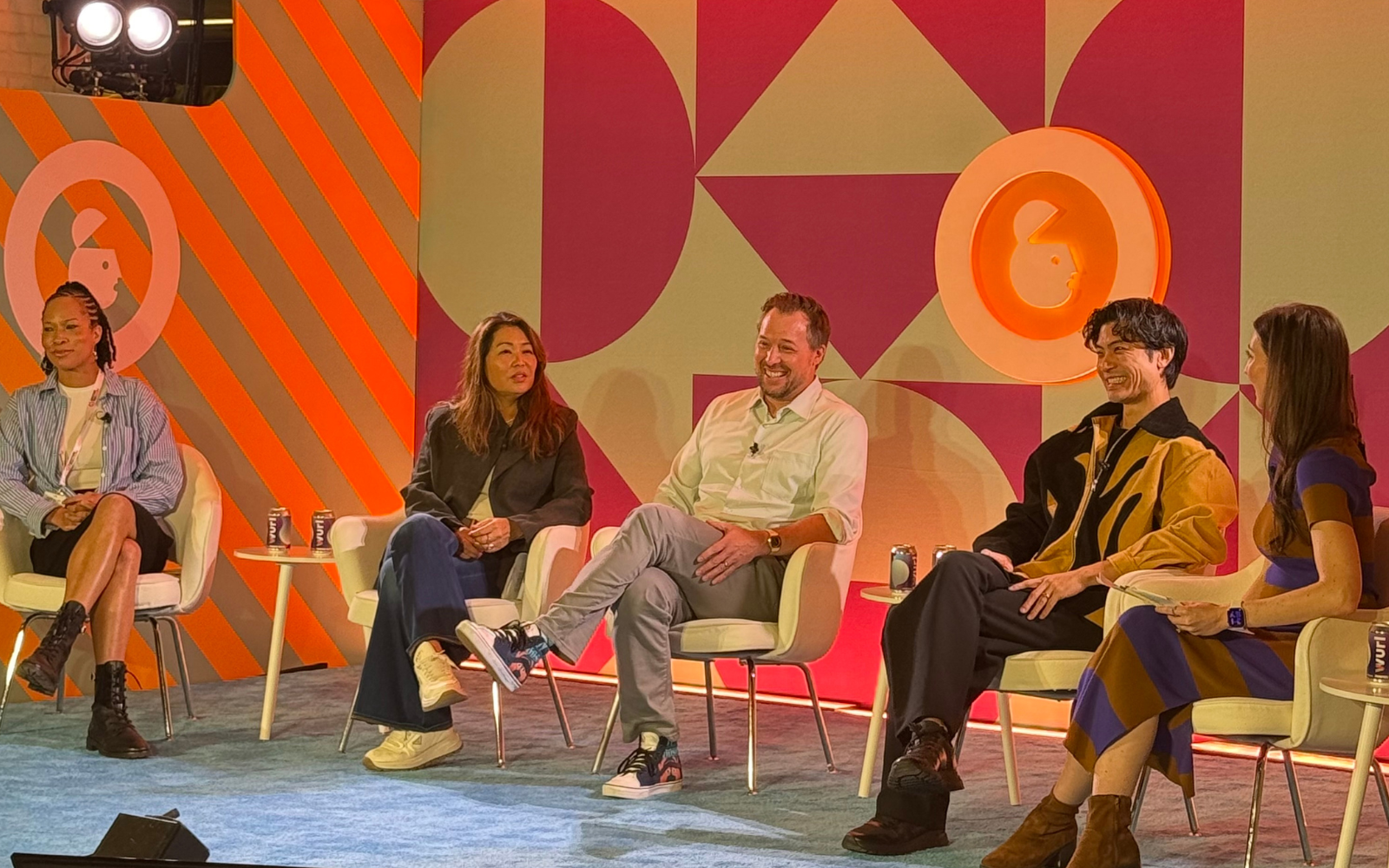

We talked about the rise of absurd internet humor, what it says about today's audiences, and what brands should (or shouldn't) do about it.
My biggest takeaway? Advertising has permission to get a whole lot weirder. And that's a wonderful thing.
For starters, absurd humor isn't new. I remember my first meme (nostalgia!), which was discovering the G.I. Joe PSA parodies that Fensler Films put out in which they took the wholesome public service announcements from the cartoon and redubbed them with completely ridiculous dialogue. They were hilarious then, and you can see their influence in today's internet culture more than 20 years later. Then came "Oddvertising" in the early aughts, featuring a little lad who loved berries and cream, the magic, yet tragic Skittles touch, and speaking of Skittles, whatever the heck this was.
And while brain rot might feel like a Gen Z phenomenon, its roots go back much further. Fun fact: Henry David Thoreau used the term "brain-rot" in 1854 when he was complaining about having to dumb down his writing for an uneducated mass audience.
What's changed over time is how quickly this kind of humor spreads, and how it creates a sense of belonging. Sometimes the joke is funny precisely because not everyone gets it. It's a cultural password.
And the best response to brain rot isn't necessarily to participate in it. It's to understand the mindset of the people you're trying to reach. Because while absurd humor can be a great way to connect, endless scrolling and content overload aren't always (or even usually) making people feel particularly good. Sometimes audiences need a laugh. Sometimes they need a break.
I've always believed humor is one of the most powerful tools in advertising. And in a world that could use a few more laughs, I'm excited that brands have more freedom to go to strange, unexpected places.